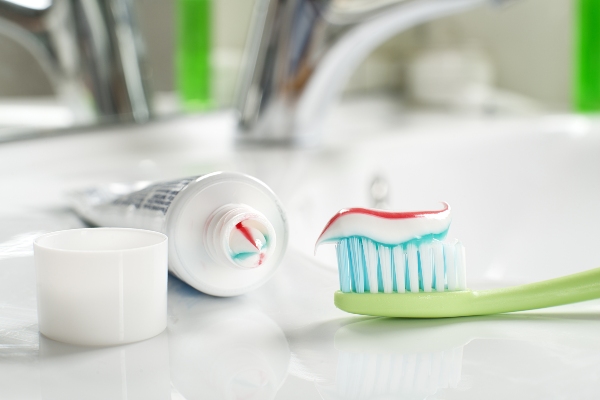
 While routine general dentistry checkups are essential, everyday practices also significantly impact dental health. For example, proper brushing and flossing techniques can help prevent cavities and gum inflammation. The toothpaste you use also plays an important role.
Things to consider when choosing a toothpaste
When it comes to shopping for toothpaste, there are hundreds of options. However, not every brand or product is ideal for tooth and gum health. Consider the ingredients and features carefully based on your own needs and your dentist's recommendations.
Fluoride
Fluoride is a naturally occurring mineral that has proven beneficial in general dentistry. It helps strengthen tooth enamel, resulting in fewer cavities and healthier gums. While it is found in plenty of fruits and vegetables and is added to most water supplies, many people do not consume enough natural fluoride to sufficiently protect their teeth. In addition to supplemental fluoride treatments at regular checkups, most dentists recommend using fluoride toothpaste.
Some people believe that children should not use fluoride toothpaste until they are older when there is less of a chance for accidental swallowing. However, if parents help children apply the recommended amount of toothpaste to their toothbrushes, most dentists agree that kids should start using fluoride toothpaste around age 2. A smear the size of a grain of rice is all that is needed at this age. Only a pea-sized amount of toothpaste should be used once swallowing is no longer an issue.
Sensitivity concerns
Using the right toothpaste can make a big difference if you have sensitive teeth. Desensitizing toothpaste can help make it easier to enjoy hot and cold foods without discomfort. In addition, look for options containing ingredients to help mineralize the teeth and strengthen enamel, which can also help reduce sensitivity.
Tartar buildup
When plaque is not promptly removed, it can harden into tartar. This type of buildup can increase the risk of tooth decay. Unfortunately, once tartar buildup forms, it cannot be removed by brushing alone; a professional dental cleaning is required to address it. If you are prone to plaque and tartar buildup, look for tartar-control toothpaste options.
Whitening ingredients
Using a whitening toothpaste can help you enjoy a whiter and brighter smile. However, you will want to avoid this type of toothpaste if you have weakened enamel or sensitive teeth. Also, whitening toothpaste does not work on dental veneers and other types of dental work.
American Dental Association approval
When shopping for toothpaste, most dentists recommend looking for the American Dental Association (ADA) seal of approval, an easy way to know the ingredients are safe and effective for maintaining oral health. If you are interested in trying a toothpaste that does not have the ADA seal, be sure to research it thoroughly and discuss it with your dentist.
Conclusion
Brushing your teeth at least twice a day is an important general dentistry practice for fighting cavities and tooth decay. However, which toothpaste you use can also play an important role in overall dental comfort and health. Above all, be sure to choose a product that lines up with your dentist's recommendations for your unique needs.
Request an appointment or call Gables Exceptional Dentistry at 305-203-4132 for an appointment in our Coral Gables office.
Related Posts
Experiencing anxiety about going in for general dentistry appointments is a common problem. While something that many people experience, fear related to visiting a dentist can hold you back from giving your teeth, mouth, and jaw the proper care. There are many strategies you can use to ease these feelings so that you can plan…
There are many benefits to maintaining good oral health, such as reducing your risk of developing general dentistry issues like tooth decay and gum disease. Good oral health also lowers your risk of other illnesses, including diabetes, heart disease, and Alzheimer's disease. Fortunately, you can take the initiative to maintain and improve your oral health.There…
If one or more teeth are damaged or missing, a practitioner of general dentistry may be able to perform a restoration that returns them to their original function. A general dentist can perform several different types of restorations, and the appropriate treatment depends on the severity of the case.Exposure to sugar and acids allows plaque…
